Harry Potter and The Sorcerer’s Stone
Written By: J K Rowling
Illustrations By: Mary Grandpré
Rating: 8/10 – ⭐⭐⭐⭐
___
“Devil’s Snare, Devil’s Snare . . . what did Professor Sprout say? — it likes the dark and the damp —”
“So light a fire!” Harry choked.
“Yes—of course—but there’s no wood!” Hermoine cried, wringing her hands.
“HAVE YOU GONE MAD?” Ron bellowed. “ARE YOU A WITCH OR NOT?”
–
“Lucky you pay attention in Herbology, Hermione,” said Harry as he joined her on the wall, wiping sweat off his face.
“Yeah,” Ron said, “and lucky Harry doesn’t lose his head in a crisis—‘there’ s no wood’ honestly”
___
While it’s not technically a classic, this book—and really, the series as a whole—is well known. Gorgeously imagined, quick-paced, and full of surprisingly amusing eleven-year-old banter.
Reading it for the first time in my mid-twenties was certainly an experience. I actually beat the Hogwarts Legacy video game before ever picking up this book. I’ve also seen the Fantastic Beasts movies, but none of the Harry Potter movies. Those puzzling feats in mind, the world was already built in my head before the journey began—which is our first point.
Setting
Everything in the beginning is described as ordinary and mundane. It paints a clear (and very dreary) picture of poor Harry’s life with the Dursleys. The moment Harry is whisked away into the wizarding world, everything takes on new color.
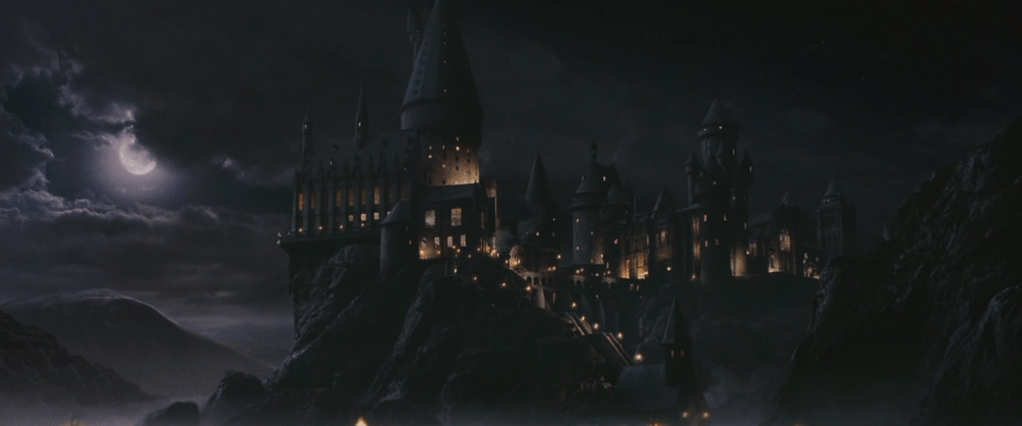
That major contrast immediately sets the tone for the rest of the book. This world is massive, colorful, and—despite the presence of darkness—joyful and freeing. Hogwarts itself is full of oddities and strange happenings. It strikes a great balance between inviting and haunted. Having already explored the castle in Hogwarts Legacy, it was fascinating to see how Rowling’s descriptions matched (and sometimes surpassed) what I had imagined from the game.
Every description feels carefully placed with purpose. Rowling leaves very little room for nonsense without meaning (haha). And as the story moves through the year, the changes in season are vivid, giving the reader the sense of passing time while still keeping up the fast-paced momentum.
Characters
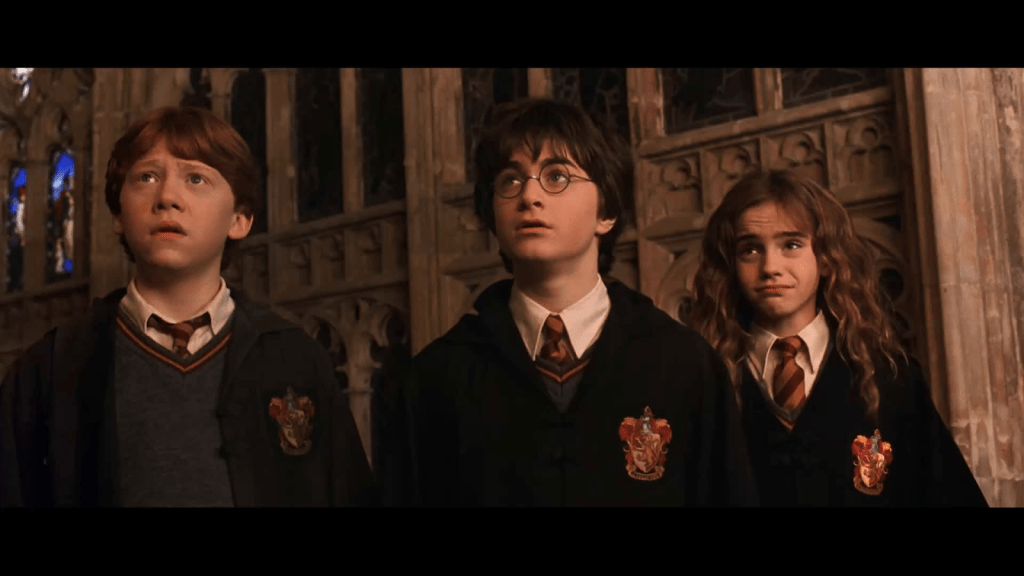
Harry makes for a very memorable main character. He spends much of the book observing, but don’t be fooled—he’s headstrong and afraid of far less than any eleven-year-old I’ve ever met. It’s clear he understands much of what’s happening to him, even when adults underestimate him.
Dumbledore knows even more—though he never overshares. Moments between him and McGonagall drop hints, but his reputation is so high that no one dares to question him… perhaps they should. Still, his faith in his students as their headmaster shines through.
Ron: Far more outspoken than Harry, and sometimes more reckless.
Hermione: Brilliant, disciplined, and quietly a grounding force of the group.
Neville…awkward but charming. And Draco—a spoiled child if I’ve ever seen one, but he is a convincing obstacle on the emotional front.
Plot
Now that I’ve told you about the book—let’s talk about the story.
(In case there’s anyone else out there who hasn’t read it yet I will avoid spoilers)
The book begins with some exposition that foreshadows the greater arc as well as establishing Harry’s life in the Muggle world.
A life that was not at all what it was supposed to be—until a very large, very hairy man chases them to the literal ends of the earth. Suddenly Harry is a wizard (haha again) and what most would see as a complete upending, to him was the answer that finally made everything make sense. He was not wrong or devilish, and he was ready to take the leap.
When everyone makes it to Hogwarts, classes proceed and the year passes by. They learn everything from flying a broom to setting someone’s pants on fire. Every lesson and interaction builds subtly towards the climax. Each small detail and fact aid Harry on his journey of discovery and friendship.
Our trio often find themselves stumbling into questionable situations—sometimes by their own doing, sometimes by fate of—’The Boy Who Lived’ and ‘He Who Shall Not Be Named’. Until everything they think they know is turned inside out. Now they must use what they’ve learned to save the day.
This is where the storytelling shines. These are young children facing forces greater than themselves—instead of an overwhelming victory, we see them using their personal strengths in…unique ways.
You spend the whole book reading bright flashing signs that point to the villain, but when the time comes—you remember that your narrator is eleven and unreliable.
The subtle resolution sets the foundation of the series. A whole year encapsulated in one book, with developing young minds, emotional stakes, and the fate of magic hanging in the air. A brilliant device for story progression—I can’t wait to see what changes as the years go by and they become more seasoned witches and wizards.
Final Thoughts
This story is ripe with imagination, there’s something new and wondrous on every page.
There are times the writing feels overly simplified, perhaps that’s because it’s middle grade, but I would take a point off for the moments I had to force myself forward. The other point was removed for certain descriptor choices when talking about people—theres a fine line between clever and crude.
In general I think this book has such a beautiful platform to build upon, the kind of world that you could create a hundred different stories in. At its core, it isn’t just about magic—it’s about friendship, courage, and the freedom of choosing your own family. Those themes are timeless, which is why the story resonates even outside its intended audience.
Harry Potter is indeed worth all the hype and I would recommend reading it regardless of age or unfortunate discourse surrounding Rowling.
—
“To the well-organized mind, death is but the next great adventure.”― J.K. Rowling, Harry Potter and the Sorcerer’s Stone
 Alyssa B.Newbon
Leave a comment